Hawaii Land Surveyors is for professional land surveyors and LSU members who live and survey in the state of Hawaii, USA. If you are a surveyor in Hawaii, share your experiences here.
Understanding Cadastral Surveying Systems in Hawaii: A Land Surveyors United Guide
Welcome to Land Surveyors United's comprehensive guide to cadastral surveying in Hawaii. As a community of professionals dedicated to precision, accuracy, and environmental stewardship, we're committed to providing you with in-depth knowledge of this crucial field. In Hawaii, cadastral surveying plays a pivotal role in defining property boundaries, resolving land disputes, and supporting sustainable land management practices. This guide will explore the historical roots, current practices, legal framework, and future trends of cadastral surveying in the Aloha State, with a special emphasis on its crucial connection to preserving Hawaii’s unique natural environment.
1. Introduction: Cadastral Surveying and Environmental Stewardship in Hawaii
Cadastral surveying is more than just drawing lines on a map; it's the foundation upon which land ownership, development, and conservation are built. In Hawaii, where land is a precious and finite resource, accurate cadastral surveys are essential for protecting both private property rights and the environment. We believe that every survey should be conducted with a deep understanding of its potential impact on the delicate Hawaiian ecosystem.
"As stewards of the land, surveyors in Hawaii have a responsibility to conduct their work in a way that minimizes environmental impact and supports sustainable development." - Land Surveyors United Community Insight
This guide aims to provide practical knowledge for:
- Property Owners: Understanding your rights and responsibilities related to land boundaries.
- Developers: Ensuring compliance with regulations and minimizing environmental impact.
- Surveying Professionals: Staying informed about best practices and technological advancements.
- Anyone interested in the preservation of Hawaii's beautiful landscape.
Why is Environmental Stewardship so Important in Hawaiian Cadastral Surveying?
Hawaii's unique biodiversity and fragile ecosystems are particularly vulnerable to the impacts of land development. Improper surveying practices can lead to:
- Habitat destruction: Clearing vegetation for survey lines can disrupt native habitats.
- Soil erosion: Improper drainage and grading can lead to soil erosion and sedimentation of waterways.
- Introduction of invasive species: Equipment and personnel can unintentionally introduce invasive species to sensitive areas.
- Damage to cultural sites: Many areas in Hawaii contain important archaeological and cultural sites that need to be protected during surveying activities.
By adopting sustainable surveying practices, we can minimize these risks and ensure that land development is carried out in a way that protects Hawaii's natural and cultural heritage.
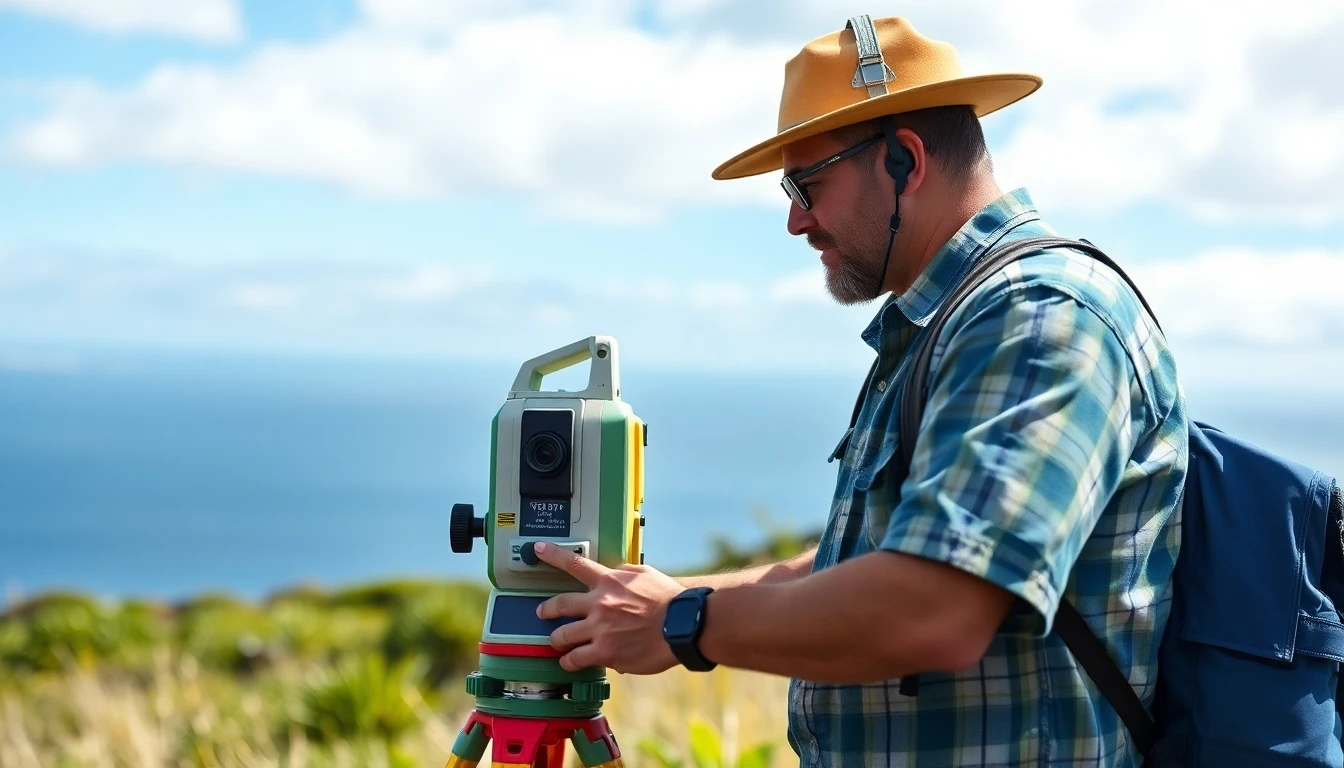
Modern surveying techniques being applied in Hawaii with emphasis on environmental stewardship
2. Historical Context and Evolution in Hawaii
The history of cadastral surveying in Hawaii is intertwined with the islands' unique political and social development.
Pre-Western Contact:
Ancient Hawaiians had a sophisticated land management system known as the Ahupuaʻa. These were wedge-shaped land divisions running from the mountains to the sea, managed collectively by the community. While not formally surveyed in the Western sense, boundaries were well-defined by natural features and traditional knowledge.
The Mahele (1848):
This "Great Division" fundamentally altered land ownership in Hawaii. The Mahele aimed to transition from a feudal system to private land ownership, allowing commoners, chiefs, and the King to claim land. This transformation necessitated cadastral surveys to delineate private properties, a practice previously unnecessary. This marked the beginning of modern cadastral surveying in Hawaii.
- The initial surveys were often based on inaccurate methods and limited technology, leading to boundary disputes and uncertainties that persist to this day.
- The Land Commission was established to adjudicate land claims and record land ownership.
Post-Mahele Development:
- As the Hawaiian Kingdom developed, the need for more accurate and standardized surveys increased.
- Surveying practices were influenced by the U.S. Public Land Survey System (PLSS), despite Hawaii not being part of the public land states. This influence is evident in the use of metes and bounds descriptions and references to government surveys. (See: Manual of Instructions for the Survey of the Public Lands of the United States (2009))
The Land Court System:
Established in the early 20th century, the Land Court (see HRS Chapter 501) was designed to provide a mechanism for establishing clear and indefeasible land titles.
- Cadastral surveys are a critical component of the Land Court process. An accurate survey is required to define the boundaries of the property to be registered.
- Land Court decrees serve as a permanent record of land ownership, reducing the likelihood of future disputes.
Environmental Awareness:
The evolution of surveying in Hawaii reflects a growing awareness of environmental concerns.
- Early surveys often prioritized development over conservation.
- Modern surveying practices are increasingly incorporating environmental considerations and sustainable techniques.

Essential surveying equipment adapted for the unique terrain and conditions of Hawaii
3. Current Practices and Standards
Today, cadastral surveying in Hawaii involves a combination of traditional methods and cutting-edge technology, adhering to strict standards defined by the Hawaii Administrative Rules (HAR) Title 16, Chapter 115 and guided by the expertise of organizations like the Hawaii Association of Land Surveyors (HALS).
Key Surveying Techniques:
- Boundary Surveys: The most common type of cadastral survey, boundary surveys determine the legal boundaries of a property.
- Subdivision Surveys: These surveys divide a larger parcel of land into smaller lots for development.
- Topographic Surveys: Topographic surveys map the physical features of the land, including elevation, contours, and natural features. This is crucial for responsible development planning.
- ALTA/NSPS Land Title Surveys: Used primarily for commercial properties or complex real estate transactions, these surveys meet rigorous national standards for accuracy and title research. (See: ALTA/NSPS Land Title Surveys)
Essential Standards:
- Accuracy Requirements: The HAR Title 16, Chapter 115 sets stringent accuracy standards for all cadastral surveys in Hawaii. These standards vary depending on the type of survey and the location of the property.
- Monumentation: Permanent monuments are required to mark property corners. These monuments must be durable and easily identifiable.
- Recordation: All surveys must be recorded with the Bureau of Conveyances to ensure that they become part of the public record.
- Professional Licensing: Only licensed professional land surveyors (PLS) are authorized to perform cadastral surveys in Hawaii.
Ethical Considerations:
- Surveyors have a responsibility to act ethically and impartially.
- Conflicts of interest must be avoided.
- Confidentiality must be maintained.
Example:
A property owner on Oahu wants to build a new fence along their property line. To ensure the fence is placed correctly, they hire a licensed land surveyor to perform a boundary survey. The surveyor researches the property's deed, gathers evidence of existing monuments, and uses GPS and robotic total stations to accurately locate the property corners. The surveyor then sets new monuments to mark the corners and prepares a survey map that is recorded with the Bureau of Conveyances.

Drone technology revolutionizing land surveying practices in Hawaii while minimizing environmental impact
4. Environmental Sustainability and Conservation Practices
As highlighted earlier, environmental sustainability is paramount in modern cadastral surveying in Hawaii. Here's how the industry is actively incorporating conservation practices:
Minimizing Vegetation Disturbance:
- Alternative Surveying Techniques: Employing methods like drone-based surveying or remote sensing to reduce the need for extensive clearing.
- Selective Clearing: If clearing is necessary, selectively remove vegetation instead of clear-cutting.
- Replanting: If vegetation is removed, replant native species to restore the habitat.
Controlling Erosion and Sedimentation:
- Erosion Control Measures: Implementing erosion control measures such as silt fences, wattles, and temporary vegetation to prevent soil erosion.
- Stormwater Management: Designing surveys to minimize the impact on stormwater runoff.
- Avoiding Disturbance of Waterways: Take extreme care when surveying near streams, rivers, or wetlands to avoid disturbing these sensitive ecosystems.
Protecting Sensitive Habitats:
- Identifying Sensitive Areas: Before beginning a survey, identify any sensitive habitats such as endangered species habitats, wetlands, or archaeological sites.
- Avoiding Disturbance: Avoid disturbing these areas whenever possible.
- Mitigation Measures: If disturbance is unavoidable, implement mitigation measures to minimize the impact.
- Working with Environmental Agencies: Coordinate with the Department of Land and Natural Resources (DLNR) and other environmental agencies to ensure compliance with regulations and best practices. (See: Hawaii Department of Land and Natural Resources (DLNR), Land Division)
Preventing the Spread of Invasive Species:
- Equipment Cleaning: Thoroughly clean equipment before and after each survey to prevent the spread of invasive species.
- Avoiding Disturbance of Soil: Minimize disturbance of soil to prevent the spread of invasive plant seeds.
- Reporting Invasive Species: Report any invasive species that are observed during the survey.
Sustainable Monumentation:
- Durable Materials: Using durable materials such as concrete or metal for monuments to minimize the need for replacement.
- Biodegradable Alternatives: Exploring the use of biodegradable or recycled materials for temporary markers.
Example:
A surveyor is hired to perform a boundary survey on a property adjacent to a wetland. Before beginning the survey, the surveyor consults with a local environmental consultant to identify any sensitive species or habitats in the area. The surveyor uses drone-based surveying techniques to minimize the need for clearing vegetation. When setting monuments, the surveyor uses durable, environmentally friendly materials. The surveyor also implements erosion control measures to prevent sedimentation of the wetland.
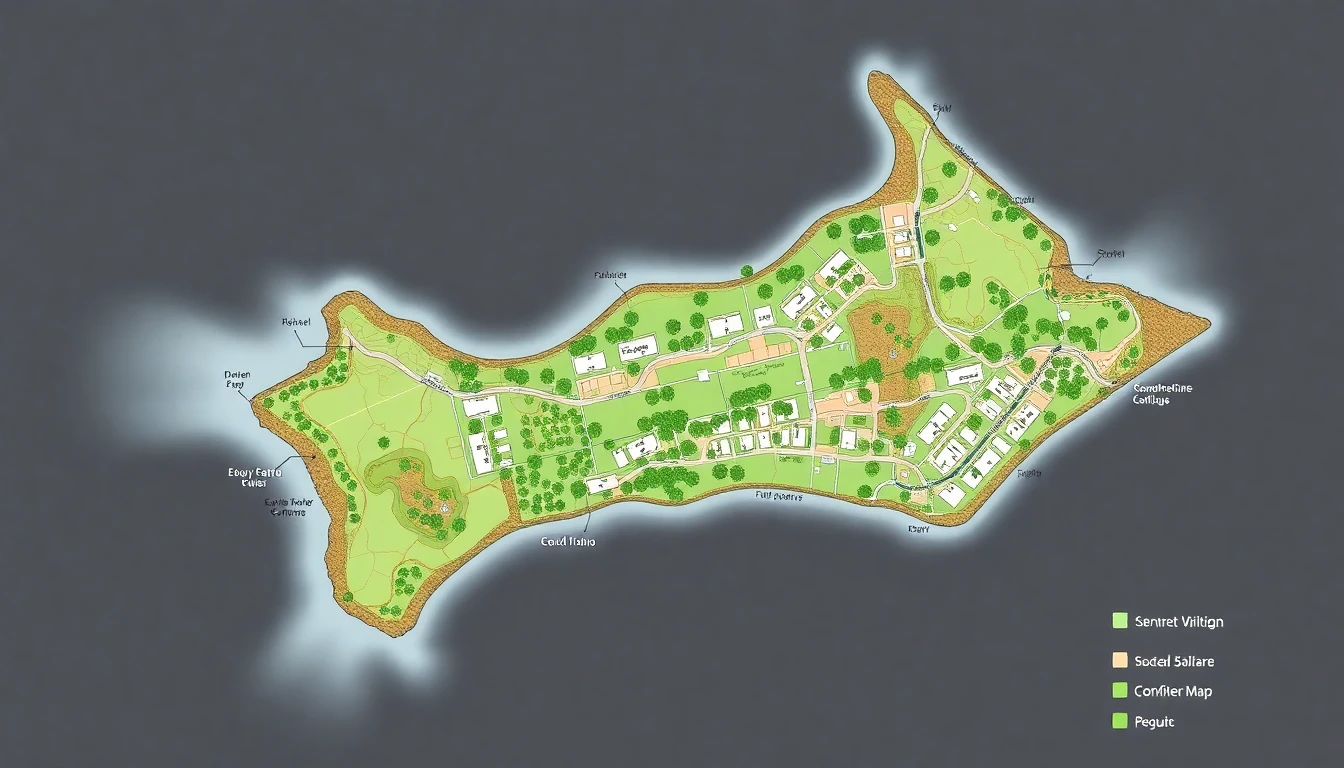
Environmental sustainability integration in modern land surveying and development planning for Hawaii
5. Technology Integration and Innovation
Modern cadastral surveying is being revolutionized by technological advancements, leading to increased accuracy, efficiency, and reduced environmental impact.
Global Navigation Satellite Systems (GNSS):
- GPS, GLONASS, Galileo, and BeiDou: GNSS technology allows surveyors to accurately determine the position of points on the earth's surface using satellite signals.
- Real-Time Kinematic (RTK): RTK provides real-time centimeter-level accuracy, which is essential for cadastral surveys.
- Reduced Environmental Impact: GNSS technology reduces the need for line-of-sight measurements, which can minimize vegetation disturbance.
Unmanned Aerial Vehicles (UAVs) / Drones:
- Aerial Photography and LiDAR: Drones can be equipped with cameras and LiDAR sensors to capture high-resolution aerial imagery and 3D point clouds.
- Reduced Fieldwork: Drones can reduce the amount of fieldwork required, which can minimize environmental impact and cost.
- Improved Accuracy: Drones can provide more accurate data than traditional surveying methods in some cases.
Laser Scanning:
- Terrestrial Laser Scanners: Terrestrial laser scanners can capture detailed 3D models of the environment.
- Building Information Modeling (BIM): Laser scanning is used to create BIM models for building design and construction.
- Accurate Measurement: Laser scanning can be used to accurately measure distances and angles, which is essential for cadastral surveys.
Geographic Information Systems (GIS):
- Data Management and Analysis: GIS software is used to manage and analyze spatial data.
- Visualization: GIS can be used to create maps and visualizations of survey data.
- Improved Decision-Making: GIS can help surveyors make better decisions about land use and development. (See: University of Hawaii at Manoa, Department of Geography and Environment)
Remote Sensing:
- Satellite Imagery: Satellite imagery can be used to monitor land use changes and identify potential environmental problems.
- LiDAR: LiDAR data can be used to create detailed topographic maps and identify sensitive habitats.
- Efficient Data Collection: Remote sensing provides a cost-effective way to collect data over large areas.
Example:
A surveyor is hired to perform a boundary survey on a large, undeveloped property in a remote area of Hawaii. The surveyor uses a drone equipped with a LiDAR sensor to capture a 3D point cloud of the property. The surveyor then uses GIS software to analyze the point cloud and create a topographic map of the property. The surveyor also uses satellite imagery to identify any sensitive habitats or potential environmental problems.
6. Regulatory Framework and Legal Considerations
Cadastral surveying in Hawaii is governed by a complex regulatory framework that includes state statutes, administrative rules, and local ordinances.
Hawaii Revised Statutes (HRS):
- Chapter 501: Land Court Registration: This chapter governs the Land Court system, which provides a means of establishing certainty in land titles. (See: Hawaii Revised Statutes (HRS), Chapter 501: Land Court Registration)
- Chapter 669: Quieting Title: This chapter outlines the procedures for resolving disputes over land ownership.
Hawaii Administrative Rules (HAR):
- Title 16, Chapter 115: Rules Regulating Land Surveying: This chapter establishes the regulations governing land surveying in Hawaii. (See: Hawaii Administrative Rules (HAR) Title 16, Chapter 115: Rules Regulating Land Surveying)
County Ordinances:
- Each county in Hawaii has its own ordinances that regulate land use and development.
- Surveyors must be familiar with these ordinances to ensure that their surveys comply with local regulations.
Environmental Regulations:
- Endangered Species Act: This federal law protects endangered species and their habitats.
- Clean Water Act: This federal law regulates the discharge of pollutants into waterways.
- Coastal Zone Management Act: This federal law protects coastal resources.
Legal Principles:
- Adjoiners: The owners of properties that share a common boundary.
- Easements: Legal rights that allow someone to use another person's property for a specific purpose.
- Adverse Possession: A legal doctrine that allows someone to acquire ownership of property by occupying it openly, notoriously, and continuously for a certain period of time.
Case Studies:
- Boundary Disputes: Disputes over property boundaries are common in Hawaii due to the complex history of land ownership.
- Land Court Cases: Land Court cases often involve complex cadastral surveys and legal issues.
- Environmental Lawsuits: Environmental lawsuits can arise from land development projects that violate environmental regulations.
Example:
A developer wants to build a new condominium complex on a property near the coast. Before beginning construction, the developer hires a land surveyor to perform a boundary survey. The surveyor discovers that the property is located within the coastal zone management area and that it is subject to strict environmental regulations. The surveyor works with the developer to design a project that complies with all applicable regulations.
7. Best Practices and Professional Standards
Adhering to best practices and maintaining high professional standards are crucial for ensuring accurate, reliable, and ethical cadastral surveying in Hawaii.
Continuing Education:
- Surveyors should participate in continuing education courses to stay up-to-date on the latest technologies, regulations, and best practices.
- HALS offers continuing education courses for surveyors in Hawaii. (See: Hawaii Association of Land Surveyors (HALS))
Peer Review:
- Surveyors should have their work reviewed by other qualified surveyors to ensure accuracy and quality.
Professional Ethics:
- Surveyors should adhere to a code of ethics that emphasizes integrity, honesty, and professionalism.
- HALS has a code of ethics that members are expected to follow.
Quality Control:
- Surveyors should implement quality control procedures to ensure that their work is accurate and reliable.
Communication:
- Surveyors should communicate effectively with their clients, adjoiners, and other stakeholders.
- Clear and concise communication is essential for resolving disputes and avoiding misunderstandings.
Documentation:
- Surveyors should maintain accurate and complete records of their work.
- Proper documentation is essential for defending surveys in court and for providing a reliable record of land ownership.
Mentorship:
- Experienced surveyors should mentor younger surveyors to help them develop their skills and knowledge.
Example:
A surveyor is hired to perform a boundary survey on a property in a residential neighborhood. The surveyor communicates with the adjoiners to inform them about the survey and to answer any questions they may have. The surveyor uses high-accuracy GPS equipment to locate the property corners. The surveyor then prepares a detailed survey map that is reviewed by another qualified surveyor.
8. Future Trends and Environmental Impact
The field of cadastral surveying is constantly evolving, driven by technological advancements, changing environmental regulations, and increasing demands for sustainable land management.
Increased Use of Automation:
- Automation will continue to play a larger role in cadastral surveying, with the use of drones, laser scanners, and robotic total stations becoming more widespread.
- Automation will improve efficiency and accuracy, while also reducing the need for manual labor.
Integration of Artificial Intelligence (AI):
- AI can be used to analyze large datasets, identify patterns, and make predictions.
- AI can be used to automate tasks such as data processing and map creation.
Improved Environmental Monitoring:
- Remote sensing technologies will be used to monitor land use changes, identify environmental problems, and assess the effectiveness of conservation efforts.
- Surveyors will play a key role in collecting and analyzing environmental data.
Focus on Sustainable Development:
- Surveyors will be increasingly involved in sustainable development projects, helping to design and implement projects that minimize environmental impact and promote economic growth.
- Sustainable surveying practices will become even more important.
Increased Collaboration:
- Surveyors will need to collaborate more closely with other professionals, such as engineers, architects, and environmental consultants.
- Collaboration will be essential for addressing complex land use and environmental challenges.
Addressing Sea Level Rise:
- Hawaii is particularly vulnerable to sea level rise, which poses a significant threat to coastal properties.
- Surveyors will play a crucial role in mapping coastal areas, assessing the impacts of sea level rise, and developing adaptation strategies.
Example:
A surveyor is hired to assess the potential impacts of sea level rise on a coastal property. The surveyor uses LiDAR data and GIS software to create a 3D model of the property and to simulate the effects of different sea level rise scenarios. The surveyor then works with the property owner to develop a plan for protecting the property from sea level rise.
9. Practical Advice for Property Owners
Understanding cadastral surveying can empower property owners to protect their rights and make informed decisions about their land.
When to Hire a Surveyor:
- Buying or Selling Property: A boundary survey will ensure that the property boundaries are accurately defined.
- Building a Fence or Structure: A survey will ensure that the fence or structure is placed within the property boundaries.
- Resolving Boundary Disputes: A survey can help to resolve disputes with adjoiners.
- Subdividing Property: A subdivision survey is required to divide a larger parcel of land into smaller lots.
- Obtaining a Building Permit: Many jurisdictions require a survey before issuing a building permit.
Choosing a Surveyor:
- Licensing: Make sure the surveyor is licensed to practice in Hawaii.
- Experience: Choose a surveyor with experience in the type of survey you need.
- Reputation: Check the surveyor's references and online reviews.
- Cost: Get quotes from several surveyors before making a decision.
Understanding Survey Maps:
- Survey maps contain important information about the property, including the property boundaries, the location of monuments, and any easements or encumbrances.
- Take the time to understand the information on the survey map.
Maintaining Property Monuments:
- Property monuments are important for defining property boundaries.
- Protect and maintain the monuments on your property.
Communicating with Adjoiners:
- Communicate with your adjoiners about any planned construction or improvements on your property.
- Open communication can help to avoid boundary disputes.
Addressing Misconceptions:
- Misconception: "A previous survey is always accurate." - Surveys can become outdated due to changes in land features, monument displacement, or errors in the original survey. Always verify with a new survey if accuracy is critical.
- Misconception: "A tax map is a substitute for a survey." - Tax maps are for assessment purposes only and are not accurate enough to determine property boundaries.
- Misconception: "GPS is always the most accurate method." - While GPS is highly accurate, it can be affected by obstructions such as trees and buildings. Traditional surveying methods may be more appropriate in some situations.
Cost Considerations:
- The cost of a cadastral survey can vary depending on the size and complexity of the property, the type of survey required, and the surveyor's fees.
- It is important to get quotes from several surveyors before making a decision.
- While cost is a factor, it is important to choose a surveyor based on their qualifications and experience, not just on price.
Example:
A property owner wants to build a new house on their property. Before beginning construction, the property owner hires a licensed land surveyor to perform a boundary survey. The surveyor researches the property's deed, gathers evidence of existing monuments, and uses GPS and robotic total stations to accurately locate the property corners. The surveyor then prepares a survey map that is recorded with the Bureau of Conveyances. The property owner uses the survey map to ensure that the new house is placed within the property boundaries and complies with all applicable regulations.
10. Conclusion: The Future of Land Stewardship in Hawaii
Cadastral surveying in Hawaii is a dynamic and evolving field that plays a critical role in protecting property rights, promoting sustainable development, and preserving the state's unique natural environment. As we move forward, it is essential that we continue to embrace technological innovation, adhere to best practices, and prioritize environmental stewardship.
Land Surveyors United is committed to providing resources, education, and support to surveying professionals and the general public alike. By fostering a community of knowledgeable and responsible land stewards, we can help ensure that Hawaii's land resources are managed sustainably for generations to come.
Call to Action:
- Join the Land Surveyors United Community: Connect with other professionals, share your expertise, and stay up-to-date on the latest developments in the field.
- Support Sustainable Surveying Practices: Advocate for policies and practices that promote environmental stewardship in cadastral surveying.
- Educate Others: Share this guide with property owners, developers, and anyone interested in learning more about cadastral surveying in Hawaii.
- Contact a Licensed Surveyor: If you need a cadastral survey, be sure to hire a licensed professional who is committed to ethical and sustainable practices.
Together, we can ensure a future where land development and environmental conservation go hand in hand, preserving the beauty and integrity of the Hawaiian Islands.
📚 Authoritative Sources and References
The following authoritative sources provide additional information and regulatory guidance:
- Hawaii Department of Land and Natural Resources (DLNR), Land Division - The DLNR Land Division is the primary state agency responsible for managing state-owned lands. While not solely focused on cadastral surveying, it oversees land management practices, including boundary determinations, land conveyances, and resolving land disputes, all of which heavily involve cadastral principles. Their website provides information on land records, policies, and procedures relating to state lands.
- Hawaii Revised Statutes (HRS), Chapter 501: Land Court Registration - Chapter 501 of the Hawaii Revised Statutes governs Land Court Registration. The Land Court system provides a means of establishing certainty in land titles. Cadastral surveys are fundamental to the Land Court process, as accurate surveys are required to define property boundaries for registration. This statute outlines the procedures and requirements for Land Court registration.
- Hawaii Association of Land Surveyors (HALS) - HALS is the professional organization for land surveyors in Hawaii. They offer continuing education, promote surveying standards, and advocate for the profession. Their website contains information on surveying practices, licensing requirements, and upcoming events. They are a crucial resource for understanding current surveying practices and standards within the state.
- Hawaii Administrative Rules (HAR) Title 16, Chapter 115: Rules Regulating Land Surveying - This chapter of the Hawaii Administrative Rules establishes the regulations governing land surveying in Hawaii. It details the requirements for licensing, standards of practice, and ethical conduct for land surveyors. This is an essential resource for understanding the legal and professional framework within which cadastral surveys are performed.
- University of Hawaii at Manoa, Department of Geography and Environment - While the University of Hawaii at Manoa does not have a dedicated surveying degree program, the Department of Geography and Environment offers courses in GIS (Geographic Information Systems), remote sensing, and spatial analysis, which are closely related to surveying and essential for modern cadastral practices. These courses provide a theoretical and practical foundation for understanding spatial data and its application in land management and surveying.
- Manual of Instructions for the Survey of the Public Lands of the United States (2009) - Although a federal publication, the Manual of Surveying Instructions by the Bureau of Land Management (BLM) contains the overall rules for conducting land surveys and is authoritative in many aspects of cadastral surveying. As the original survey system in Hawaii was based on US Public Land Survey System (PLSS), some principles and regulations may still affect existing legal land descriptions. The document provides standards for accuracy and documentation of land surveys.
- ALTA/NSPS Land Title Surveys - Though not specific to Hawaii, ALTA/NSPS Land Title Surveys are a widely recognized national standard for boundary surveys, which include comprehensive title research and accurate boundary determination. These standards are frequently employed in complex cadastral surveys, particularly in commercial and real estate transactions. Hawaii surveyors often adhere to or incorporate these standards into their practices.
Land Surveyors United is committed to providing accurate, well-researched content backed by authoritative sources in the surveying profession.
You need to be a member of Land Surveyors United - Surveying Education Community to add thoughts!

Replies